
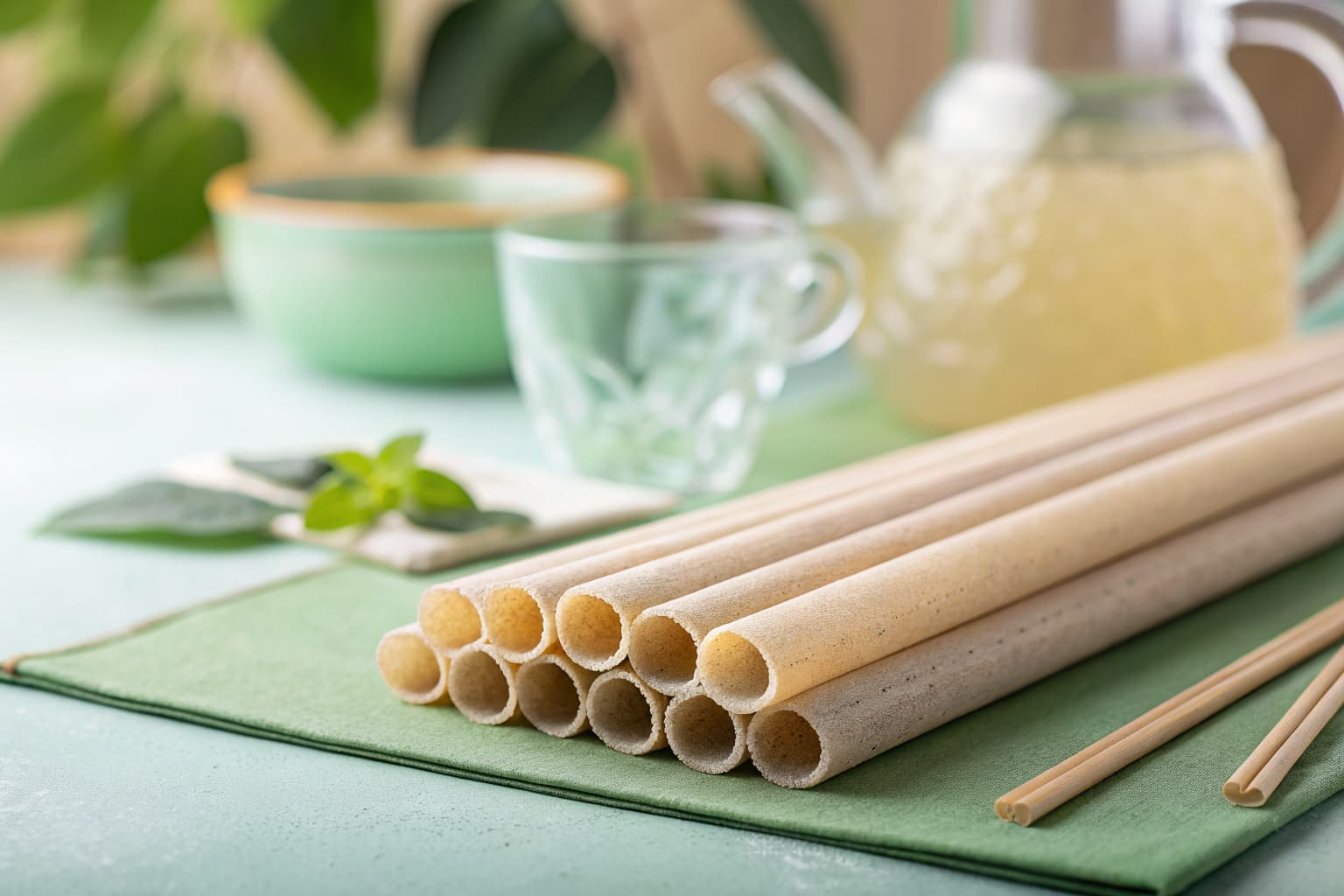
Every time a child sips from a plastic straw, they are exposed to something invisible but increasingly alarming: microplastics and chemical leachates that plastic releases directly into their drink. Research now confirms that children absorb plastic particles at higher rates than adults — and the effects accumulate silently over a lifetime. PHA straws offer a fundamentally different path forward.
Polyhydroxyalkanoates — or PHA — are a class of biopolymers produced naturally by bacteria as they consume organic material. Unlike petroleum-based plastics that take centuries to decompose, PHA breaks down completely in soil, freshwater, and even the open ocean within months, leaving behind nothing but water and CO₂. For families, restaurants, and businesses looking to make a meaningful environmental choice, PHA straws represent the most complete alternative to conventional plastic that exists today.
How Plastic Straws Harm Children
Children's bodies are still developing — their organs, hormonal systems, and immune responses are more sensitive to environmental exposures than adults. Plastic straws, particularly those made from polypropylene or polystyrene, can leach a range of chemical additives including bisphenol A (BPA), phthalates, and antimony — compounds that act as endocrine disruptors. Over time, even low-level exposure to these substances has been linked to developmental delays, hormonal imbalances, and increased risk of certain cancers.
Microplastics compound the problem. Studies have detected plastic particles in children's blood, lung tissue, and even fecal matter. Because children drink through straws at high temperatures — warm cocoa, hot tea, heated juices — the leaching effect is amplified. Heat accelerates the migration of plastic compounds into liquid, turning a simple drinking straw into a low-dose chemical delivery system.
Endocrine disruption
BPA and phthalates in plastic straws mimic hormones in developing bodies, interfering with growth and reproductive systems.
Microplastics in tissue
Plastic particles have been detected in children's lung tissue, blood, and gut — accumulating from repeated daily exposure.
Heat amplifies risk
Hot beverages accelerate chemical leaching from plastic straws — a particular concern for children drinking warm drinks.

What Is PHA — and Why Does It Matter?
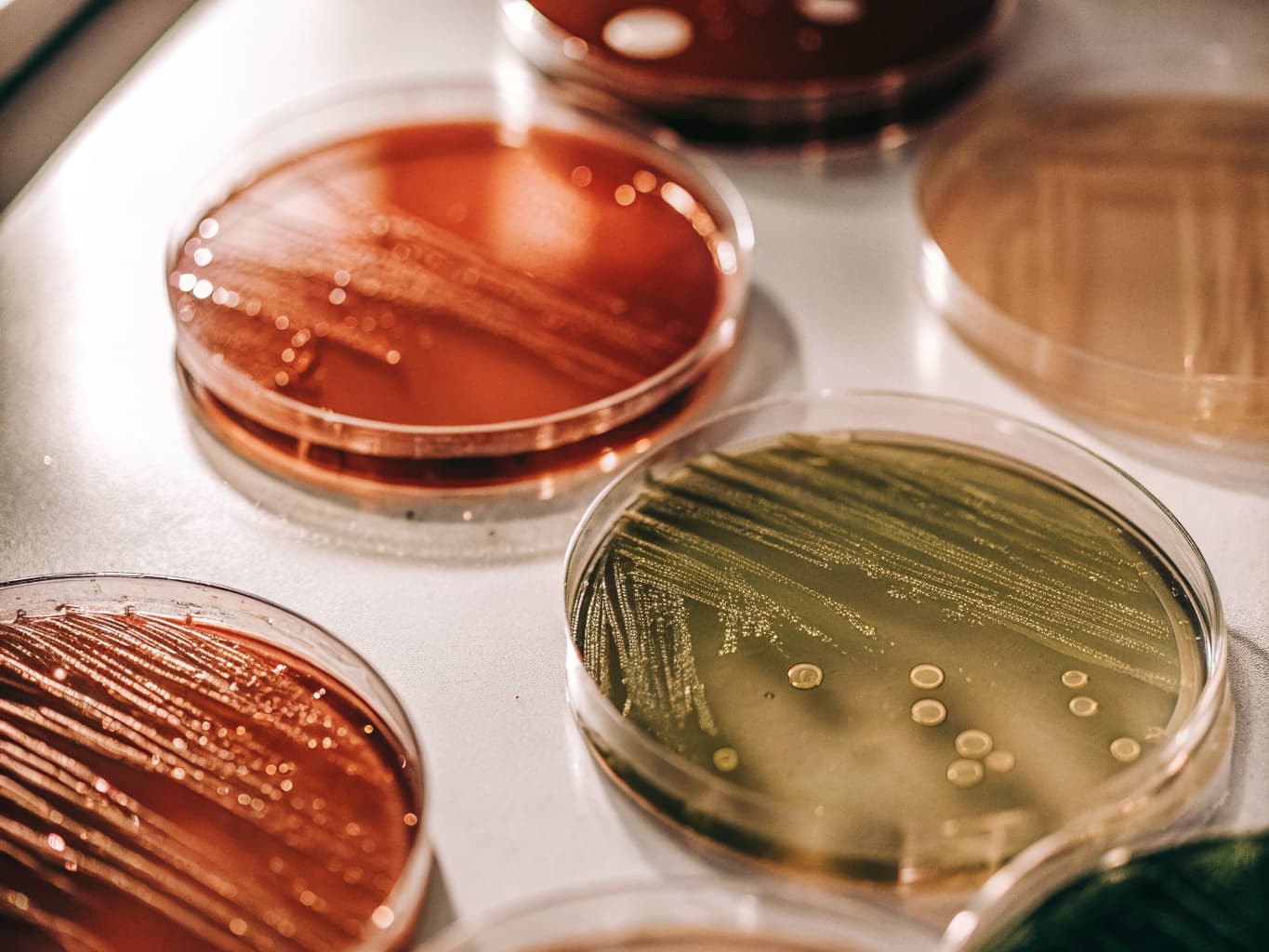
PHA (polyhydroxyalkanoate) is not a synthetic invention — it is a material that bacteria have been producing for billions of years. When microorganisms like Cupriavidus necator or Pseudomonas putida are fed organic carbon sources such as agricultural waste, food scraps, or plant oils, they store the excess energy as PHA granules inside their cells. Scientists harvest these granules and process them into a bioplastic that performs comparably to conventional plastic — but with a radically different end-of-life story.
What makes PHA exceptional is its biodegradability across all environments. Most bioplastics — including PLA — require industrial composting facilities with elevated temperatures to break down. PHA is different: it degrades in home compost, soil, freshwater, and marine environments alike, driven by naturally occurring bacteria and enzymes present in those settings. In ocean water, PHA can fully biodegrade in 6–18 months. Conventional plastic takes 400+ years and never fully disappears — it only fragments into smaller and smaller microplastics.
The Environmental Case: Where Plastic Fails, PHA Succeeds
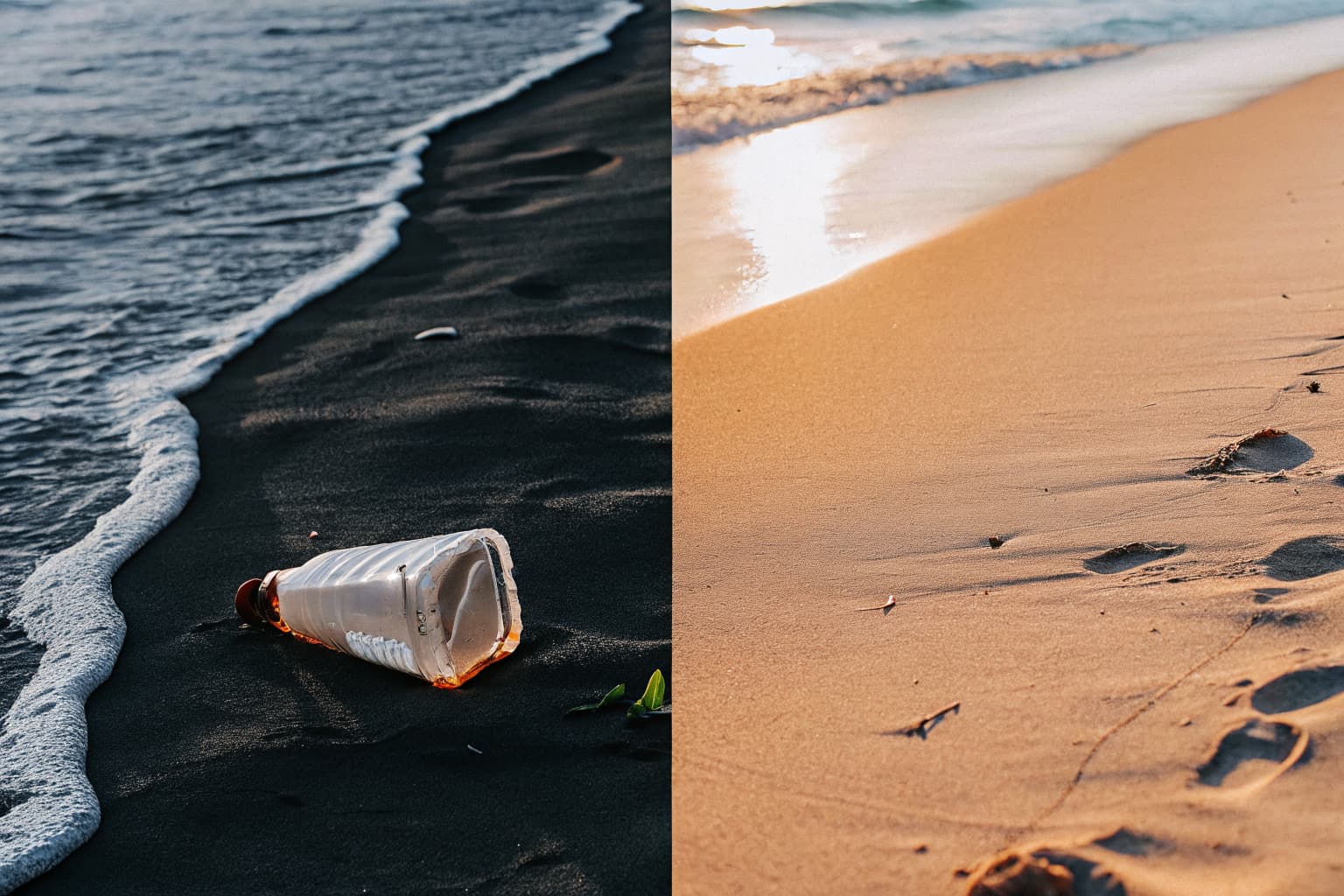
Plastic straws are among the most problematic single-use items on the planet — not because of their size, but because of their behavior after disposal. Their low weight means they float on water, evade collection nets, and travel thousands of miles from their origin before washing ashore or sinking into marine sediment. Once there, UV radiation and wave action fragment them into microplastics that enter the food chain at every level — from zooplankton to the fish on our dinner plates.
PHA straws eliminate this chain of harm at the source. Because they biodegrade enzymatically — meaning bacteria actively consume and metabolize the material — there is no fragmentation phase and no microplastic generation. A PHA straw that enters the ocean does not persist. It is metabolized back into its basic components: carbon dioxide, water, and biomass that feeds aquatic microorganisms.
PHA vs. Other Straw Alternatives
Not all straw alternatives are created equal. Understanding what each material can and cannot do is essential for making the right choice — especially for businesses serving children and families.
Paper Straws
Strength
Widely available, low cost
Limitation
Soggy within minutes, often coated with PFAS "forever chemicals" to maintain structure. May leach chemicals into warm drinks.
PLA (Corn-Based) Straws
Strength
Plant-based, petroleum-free
Limitation
Requires industrial composting at 140°F+ to biodegrade. In home compost, landfill, or ocean — behaves similarly to conventional plastic.
Metal / Glass Straws
Strength
Reusable, durable
Limitation
Not practical for single-use foodservice. Safety concerns for young children. Require cleaning and sanitation infrastructure.
PHA Straws
Strength
Biodegrades in soil, freshwater, and ocean. No microplastics. No synthetic chemicals. Durable in use.
Limitation
Higher production cost than PLA or paper — offset by growing adoption and scale efficiencies.
Why PHA Is the Right Choice for Children's Health
PHA straws are not just environmentally superior — they are biologically inert. Because they are produced by bacterial fermentation without synthetic additives, plasticizers, or colorants, they do not leach endocrine-disrupting chemicals into beverages. This distinction is critical for children's products.
- 01
Zero petroleum inputs
PHA is derived entirely from bacterial fermentation of organic waste — no fossil fuels, no petrochemicals, no byproducts that migrate into food or drink.
- 02
No BPA, phthalates, or PFAS
Unlike many plastic and paper straw alternatives, PHA requires no chemical stabilizers or water-resistance coatings — the material itself is naturally stable in beverages.
- 03
Safe in all temperatures
PHA maintains structural integrity across cold and warm beverages without accelerating chemical release — a key safety advantage for children's drinks.
- 04
Certified compostable
PHA-based products can achieve certifications under EN 13432 and ASTM D6400 standards, confirming full biodegradability without leaving microplastic fragments.
- 05
Closes the loop on waste
When composted or disposed of in natural environments, PHA returns organic carbon to the ecosystem — supporting healthy soil microbiomes rather than contaminating them.
For Businesses: Leading with PHA
Restaurants, schools, cafes, and hospitality businesses that serve families have an opportunity — and increasingly a responsibility — to choose materials that reflect the values of the communities they serve. Parents pay attention to what their children eat and drink from. Switching to PHA straws communicates a meaningful commitment to health and environmental accountability without sacrificing functionality or convenience.
Regulatory tailwinds support the transition. Single-use plastic bans are expanding across dozens of U.S. states, the European Union, and international markets. PHA-based products are positioned to meet the most stringent biodegradability requirements — including marine degradation standards that PLA and other bioplastics currently cannot satisfy. Businesses that adopt PHA now will be ahead of mandates rather than scrambling to comply.
"The question is no longer whether to move away from plastic — it's which alternative is truly safe for children and truly safe for the ocean. PHA is the only straw material that can honestly answer both questions with a yes."
— Jim McGinnis, V.P. of Marketing & Sales, Pure Form Solution LLC
Pure Form Solution and the PHA Commitment
Pure Form Solution's product line is built around the principle that every material touching food and drink should be safe for the person consuming it and safe for the environment after use. Our biodegradable straw line — engineered from plant-based and PHA-compatible materials — is designed to meet the highest standards of consumer safety while offering full end-of-life degradation across real-world disposal conditions.
We work with TÜV Austria-certified manufacturers whose testing confirms zero microplastic residue after degradation — a standard that goes beyond marketing claims and into verified scientific performance. Every Pure Form straw is petroleum-free, additive-free, and designed with one goal: to be the last straw your children ever need to worry about.
The shift away from plastic is not a trade-off. It is a better product for a better world — and children deserve nothing less.
The Decision Is in Our Hands
Plastic straws are not a neutral object. They carry a chemical legacy that enters our children's bodies and a physical legacy that outlasts all of us in the environment. PHA straws represent the convergence of biology, environmental science, and responsible design — a material that works in your glass, decomposes in the ground, and does nothing harmful in between.
Every straw serves as a small but meaningful vote. Choosing PHA is choosing to protect developing bodies from chemical exposure, to give marine ecosystems a reprieve from permanent plastic contamination, and to demonstrate to the next generation that we took the problem seriously when it still mattered.
The science is clear. The materials exist. The only question left is whether we will use them.
Explore Pure Form Solution Products