
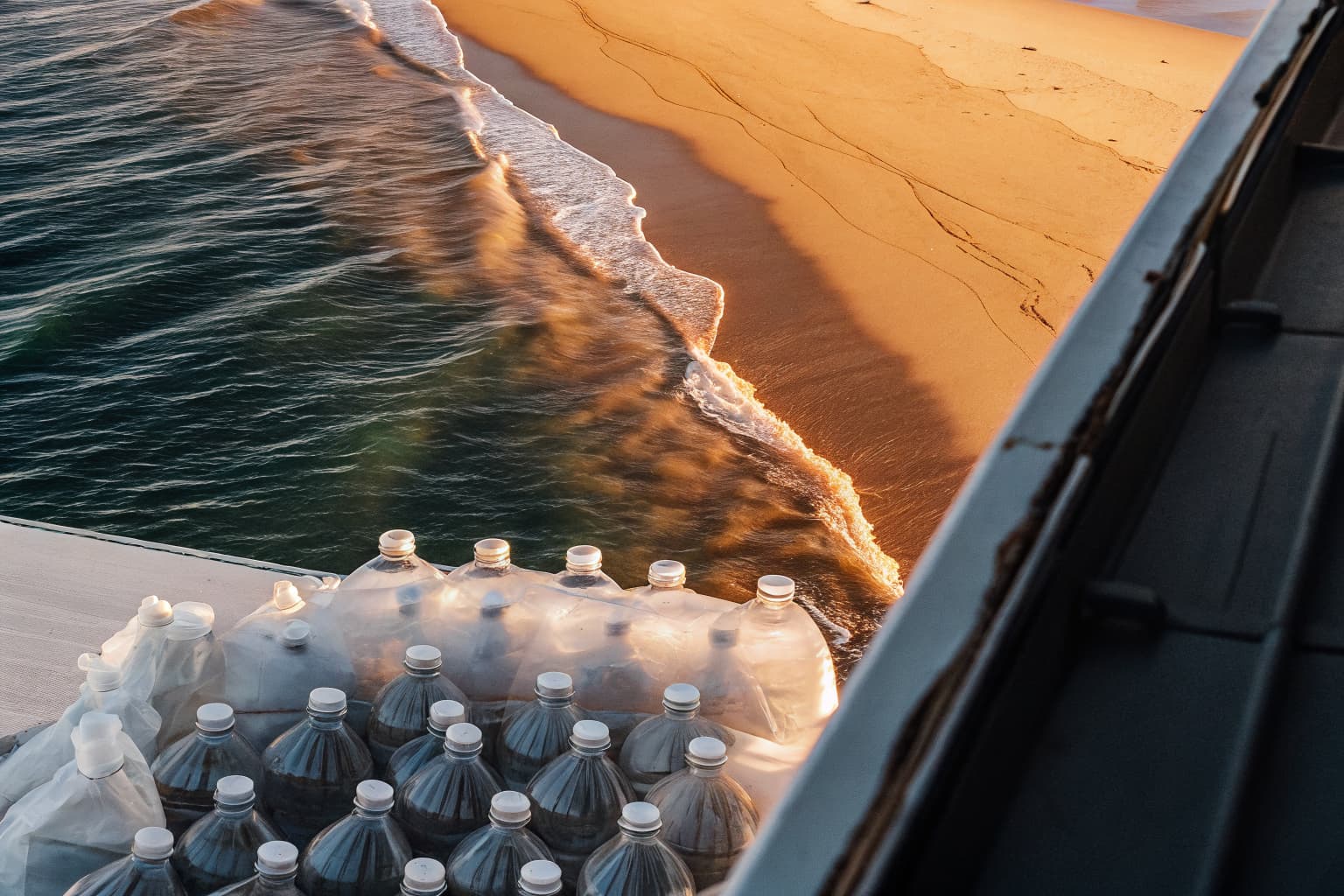
Every single minute, the equivalent of a garbage truck load of plastic enters our oceans. Most of it doesn't just sit there on the surface — it breaks down into microscopic fragments that are virtually impossible to clean up. These fragments are called microplastics, and they're now found in places scientists never expected: the deepest ocean trenches, the peak of Mount Everest, the drinking water coming out of your tap, and even in human blood.
The scale of this problem is staggering, but it is not hopeless. Understanding where microplastics come from — and what we can do to stop producing them — is the first step. At Pure Form Solution, we believe that the answer starts with rethinking the materials we use every day.
What Are Microplastics?
Microplastics are plastic fragments smaller than 5 millimeters in size. They come from two sources:
- Primary microplastics: Tiny plastic particles intentionally manufactured at a small size — such as microbeads in cosmetics, industrial abrasives, and plastic pellets used to manufacture larger plastic products.
- Secondary microplastics: Fragments that result from the breakdown of larger plastic items — single-use bottles, bags, straws, utensils, and packaging — exposed to sunlight, wind, and wave action over time.
Once plastic enters the environment, it never truly disappears. Conventional petroleum-based plastics can take 400 to 1,000 years to degrade — and even then, they don't break down into harmless compounds. They simply become smaller and smaller pieces of plastic that persist in the ecosystem indefinitely.
The Environmental Impact: Deeper Than You Think
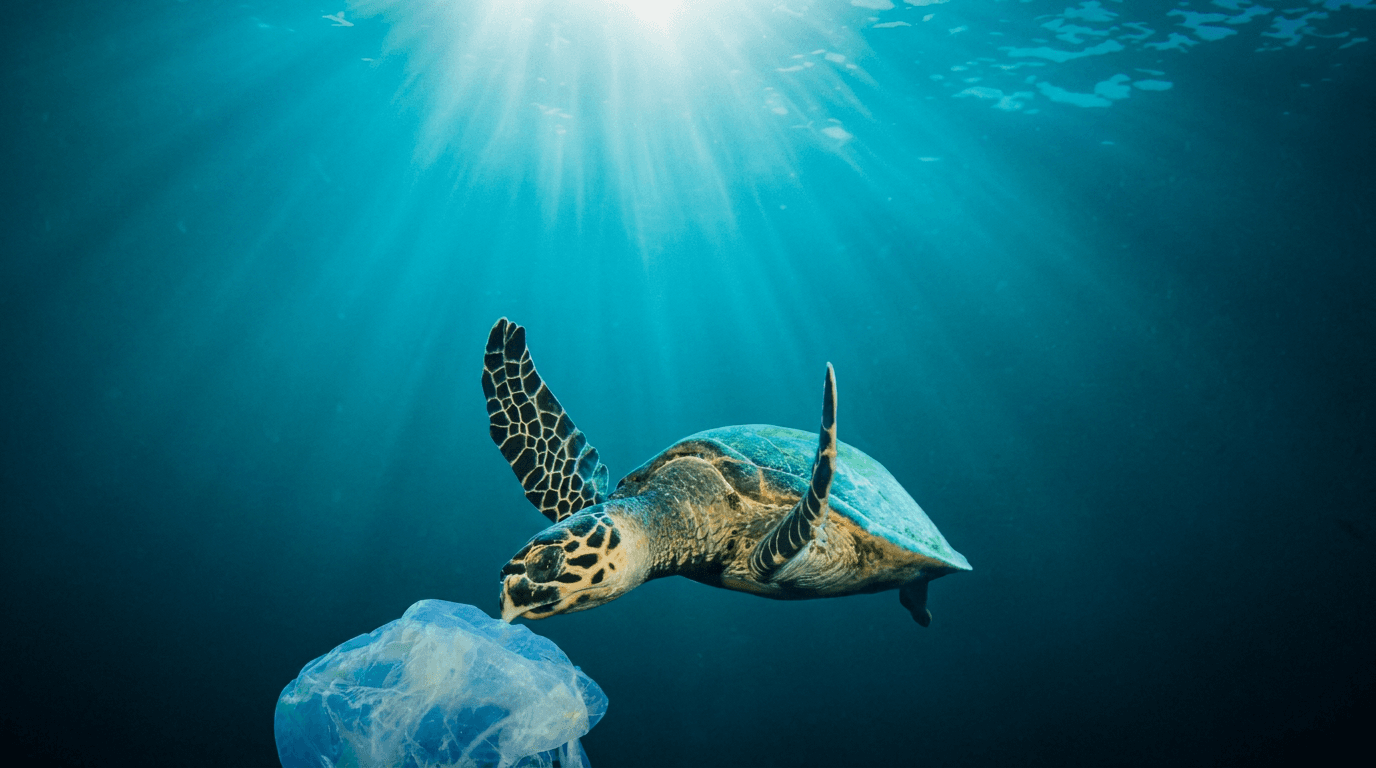
Marine environments have received the most attention in the microplastics conversation — and for good reason. The ocean currently holds an estimated 170 trillion plastic particles. These particles are ingested by fish, plankton, seabirds, and marine mammals who mistake them for food.
But the problem extends far beyond the water. Studies have found microplastics in:
Ocean floor sediment
Found at depths exceeding 11,000 meters in the Mariana Trench
Remote mountain peaks
Detected on the summit of Mount Everest and in Arctic snow
Agricultural soil
Entering the food chain through crops irrigated with contaminated water
Rainfall
Microplastics have been detected falling from the sky in rain across the globe
When microplastics enter soil, they alter soil structure, reduce water retention, and inhibit the microbial communities that keep soil fertile. When they enter waterways, they carry and concentrate toxic chemical pollutants — including pesticides, heavy metals, and industrial chemicals — which are then absorbed by the organisms that ingest them.
The Human Health Concern
In 2022, researchers published a landmark study finding microplastics in human blood samples for the first time — detected in nearly 80% of the participants tested. Since then, microplastics have been found in lung tissue, placenta, breast milk, and the digestive systems of people worldwide.
The long-term health effects are still being studied, but early research suggests associations with:
- Inflammation and oxidative stress in cells
- Disruption of the endocrine (hormonal) system
- Potential carcinogenic effects from chemical additives in plastics
- Damage to gut microbiome and digestive health
- Respiratory issues from airborne microplastic particles
"The average person consumes approximately 5 grams of plastic per week — roughly the weight of a credit card — primarily through drinking water, seafood, and air. Most of this is microplastic contamination."
— World Wildlife Fund (WWF), 2019 Microplastics Report
The Solution: Products That Return to the Earth
The root cause of the microplastics crisis is straightforward: we built a civilization on petroleum-based plastic that was never designed to disappear. Fixing it requires replacing those materials with ones that can actually complete a natural cycle.
This is exactly the mission behind Pure Form Solution. Every product in our lineup is built from materials that degrade back into nature — no microplastic residue, no petroleum, no lasting harm:
100% Compostable Bottles
Made entirely from sugarcane with calcium-containing resin. A petroleum-free alternative to PET plastic that biodegrades completely in industrial composting conditions.
PHA Biodegradable Straws
Produced through bacterial fermentation of canola oil. Certified to break down in marine and soil environments — meaning they work even when they escape into the wild.
Compostable Utensils
PHA cutlery that decomposes naturally without harmful residue. Meets both home and industrial composting standards with zero microplastic release.
Biodegradable Lids & Cups
Food service packaging designed for the full lifecycle — compostable containers that close the loop from use to soil without generating toxic residue.
What You Can Do Right Now
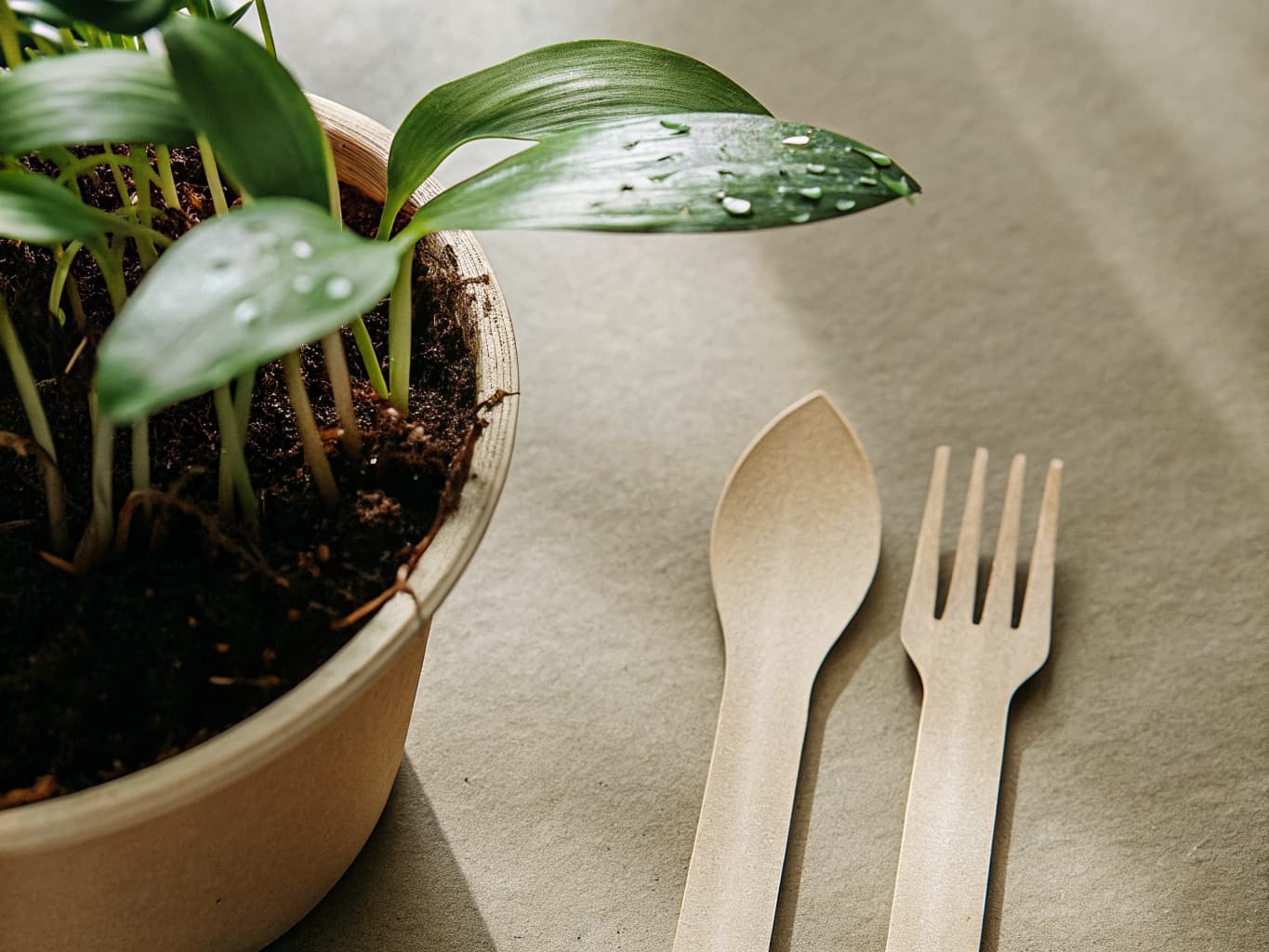
Systemic change takes time, but individual and business decisions compound quickly. Here's how you can reduce your contribution to the microplastics problem today:
- 01
Switch your single-use disposables
Replace conventional plastic straws, utensils, cups, and bottles with certified compostable and biodegradable alternatives.
- 02
Demand transparency from suppliers
Ask your food service vendors and packaging suppliers for TÜV Austria or equivalent biodegradation certification on all single-use items.
- 03
Educate your team and community
The microplastics crisis is still poorly understood by most people. Sharing accurate information drives faster adoption of better alternatives.
- 04
Support sustainability programs
Businesses that commit to sustainability programs signal to the market that eco-friendly alternatives are commercially viable — accelerating industry-wide change.
The Opportunity in Front of Us
The microplastics crisis is real and urgent — but it is not a story without a solution. The materials exist. The certifications exist. The science is clear. What's needed now is the collective decision by businesses, institutions, and individuals to stop choosing petroleum-based plastics when certified biodegradable alternatives are readily available.
At Pure Form Solution, we're committed to making that choice as easy as possible. Our products are certified by TÜV Austria across six independent standards — compostable in home and industrial environments, biodegradable in soil, water, and marine conditions, and fully bio-based. That's not a marketing claim. That's a certified guarantee.
The invisible threat of microplastics became invisible because we stopped paying attention to where our materials went after we were done with them. The solution is to choose materials that were always meant to disappear.